Classic Bruschetta with Tomato and Basil
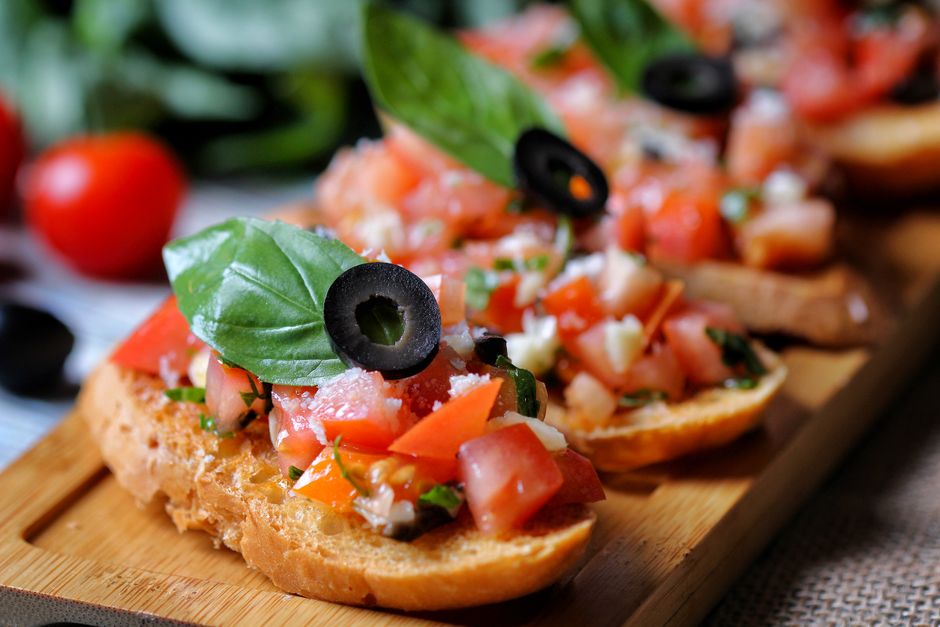
Bruschetta is a timeless Italian appetizer that highlights the freshness of simple ingredients. Traditionally, it consists of grilled bread rubbed with garlic and topped with a mixture of ripe tomatoes, basil, and olive oil. This classic version focuses on the harmony of flavors and textures, making it a versatile addition to any gathering or a satisfying light snack.
The appeal of bruschetta lies in its simplicity and the quality of its components. Each element plays a crucial role: the bread provides a crisp base, the tomatoes offer juiciness, the basil adds an aromatic note, and the garlic imparts a subtle pungency. Understanding how these ingredients interact is key to preparing a well-balanced dish.
Selecting the Ingredients
The foundation of a good bruschetta is the choice of ingredients. Ripe, flavorful tomatoes are essential; varieties like Roma or San Marzano are often preferred for their meaty texture and low moisture content. However, any ripe tomato can work if it is properly drained. Fresh basil leaves are another cornerstone, contributing a sweet, peppery aroma that complements the tomatoes. For the bread, a rustic Italian loaf or a baguette sliced on the bias provides the ideal surface area for toppings. The quality of olive oil and garlic also significantly impacts the final taste, so it is advisable to use extra-virgin olive oil and fresh garlic cloves.
When preparing the tomatoes, consider removing the seeds and excess juice to prevent the bruschetta from becoming soggy. Dicing the tomatoes into uniform pieces ensures even distribution and a pleasant texture. The basil should be thinly sliced or torn to release its oils without bruising. These preparatory steps contribute to a cohesive mixture that holds together well when served.
Preparation Techniques
Toasting the bread is a straightforward process that can be done in a variety of ways, including grilling, broiling, or using a toaster. The goal is to achieve a golden, crisp surface that can withstand the moisture of the topping. Some recipes recommend brushing the bread with olive oil before toasting to enhance flavor and crispness. After toasting, a raw garlic clove is often rubbed over the surface to impart a subtle garlic taste.
The tomato-basil mixture can be prepared in advance, but it is best to assemble the bruschetta just before serving to maintain the crispness of the bread. Combining the tomatoes, basil, olive oil, salt, and pepper in a bowl allows the flavors to meld. Letting the mixture rest for a short period can deepen the flavor, but excessive marinating may cause the tomatoes to release too much liquid.
Variations and Customizations
While the classic version is beloved, there are numerous adaptations that can suit different tastes. Some variations include adding balsamic glaze, mozzarella cheese, or even fruits like peaches or strawberries for a sweet twist. For a heartier option, one might incorporate grilled vegetables or beans. These modifications do not stray far from the original concept but offer creative ways to use seasonal produce.
It is important to note that the success of such variations depends on balancing flavors and textures. For instance, adding moisture-rich ingredients may require adjusting the bread toasting time or the proportion of dry components. Experimentation is encouraged within the framework of the classic technique.
Serving and Pairing Suggestions
Bruschetta is typically served as an appetizer or antipasto, but it can also accompany soups, salads, or grilled dishes. The crisp bread and fresh topping make it a refreshing starter for summer gatherings. When presenting the dish, it is advisable to place the bruschetta on a platter immediately after assembly to maintain texture.
For beverage pairings, light white wines such as Pinot Grigio or a sparkling Prosecco complement the acidity of the tomatoes. Non-alcoholic options include sparkling water with lemon or a mild iced tea. The choice of pairing should enhance the flavors without overpowering them.
Common Mistakes and Considerations
One of the most frequent pitfalls is using tomatoes that are not fully ripe, which can result in a bland or watery topping. Another is overloading the bread with too much mixture, causing it to become soggy quickly. To avoid this, ensure the bread is toasted sufficiently and the tomato mixture is properly drained. Additionally, adding salt just before serving can prevent the tomatoes from drawing out excess moisture.
From a food safety perspective, it is important to store any leftover tomato mixture separately from the toasted bread. The bread can be kept in an airtight container, but it is best enjoyed fresh. The tomato basil mixture can be refrigerated for up to a day, but it may lose some textural quality.
Classic bruschetta is a celebration of seasonal ingredients. Its enduring popularity lies in its ability to showcase the essence of ripe tomatoes and fragrant basil atop a simple, crisp base.
In conclusion, preparing classic bruschetta with tomato and basil involves a few straightforward steps and attention to ingredient quality. By focusing on balance and technique, one can create a dish that is both versatile and delightful. Whether served at a party or enjoyed as a snack, this appetizer continues to be a favorite for its fresh flavors and ease of preparation.